
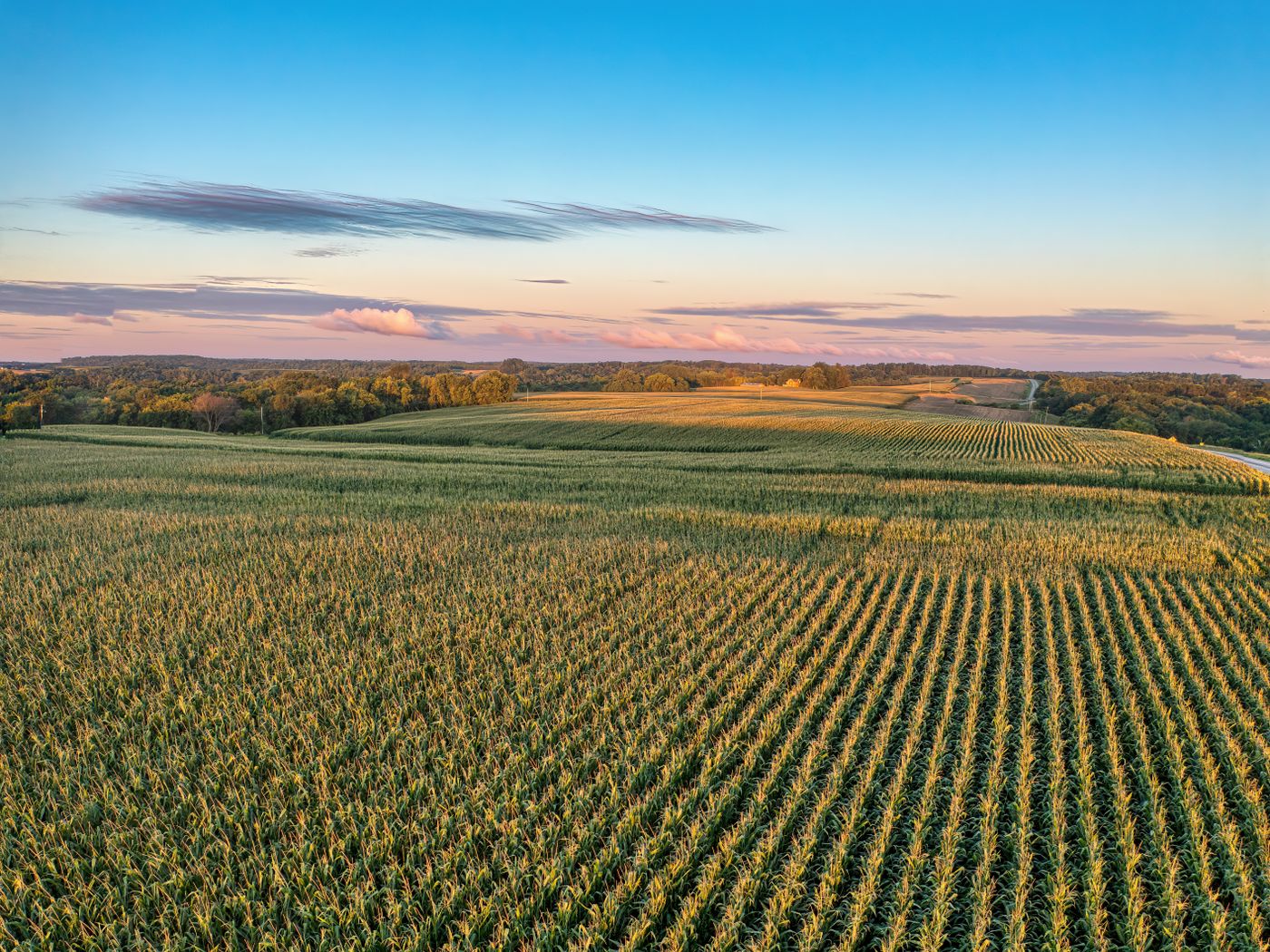
In place
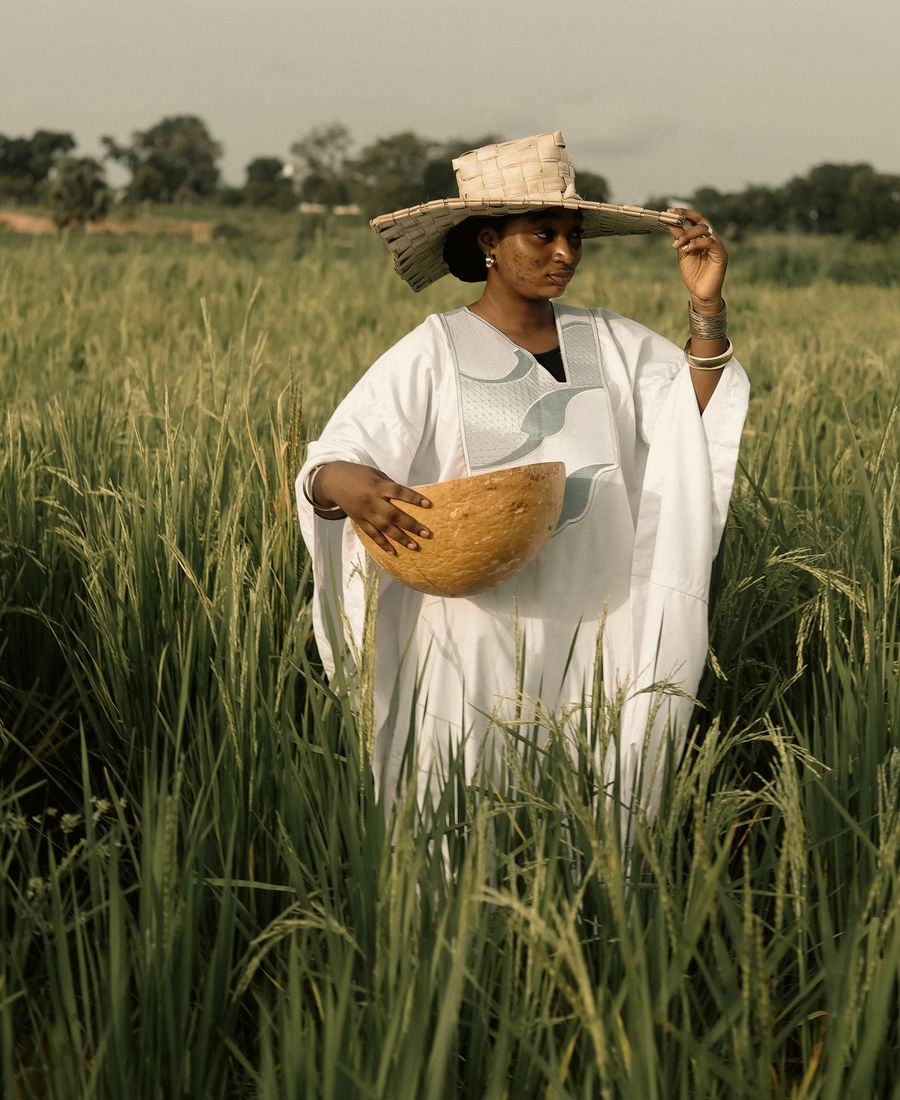
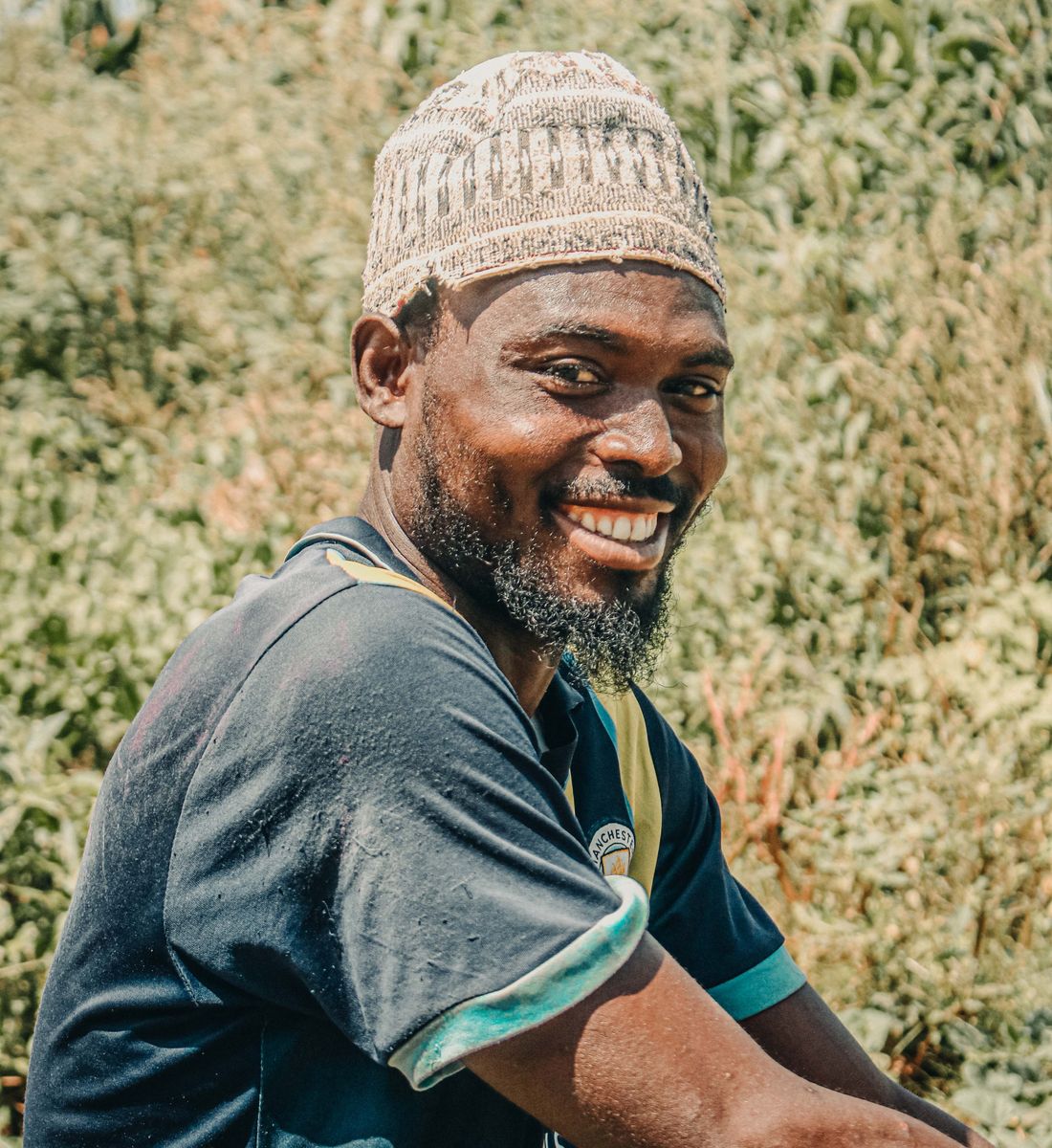
Founder / CEO
Idenze
Strategy, product, software and AI, robotics, fundraising, field presence
Role detail
Built in Nigeria, for African conditions
Ifenri makes food more secure and farming more profitable at the same time. We start with drone and robot services that pay per hectare, cut losses after harvest, add processing with partners, and connect farms to buyers.
Seed→Table
Four gated stages: farming, post-harvest, processing, and the data dividend. We add one at a time, only when the previous stage proves itself.
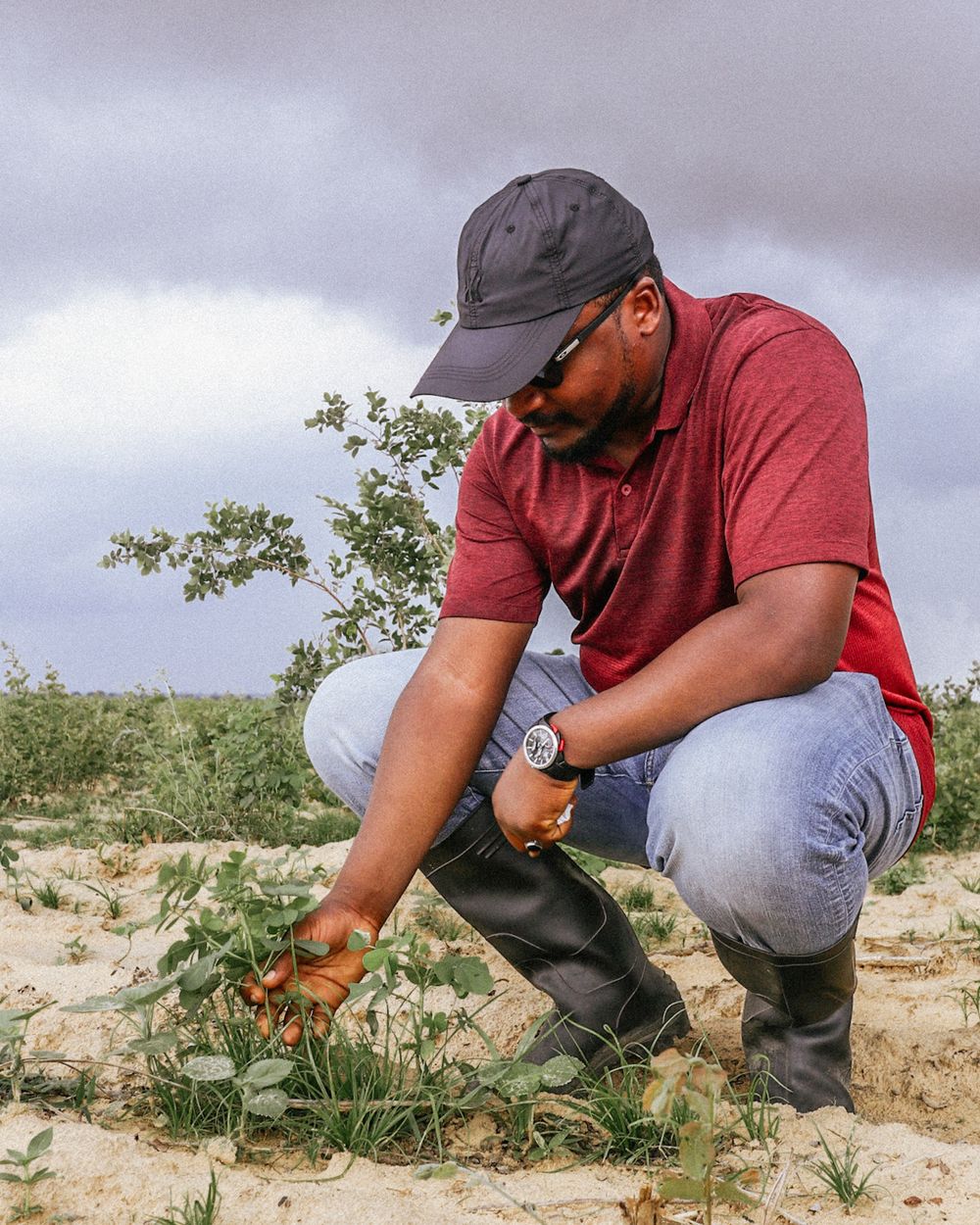
Field intelligence
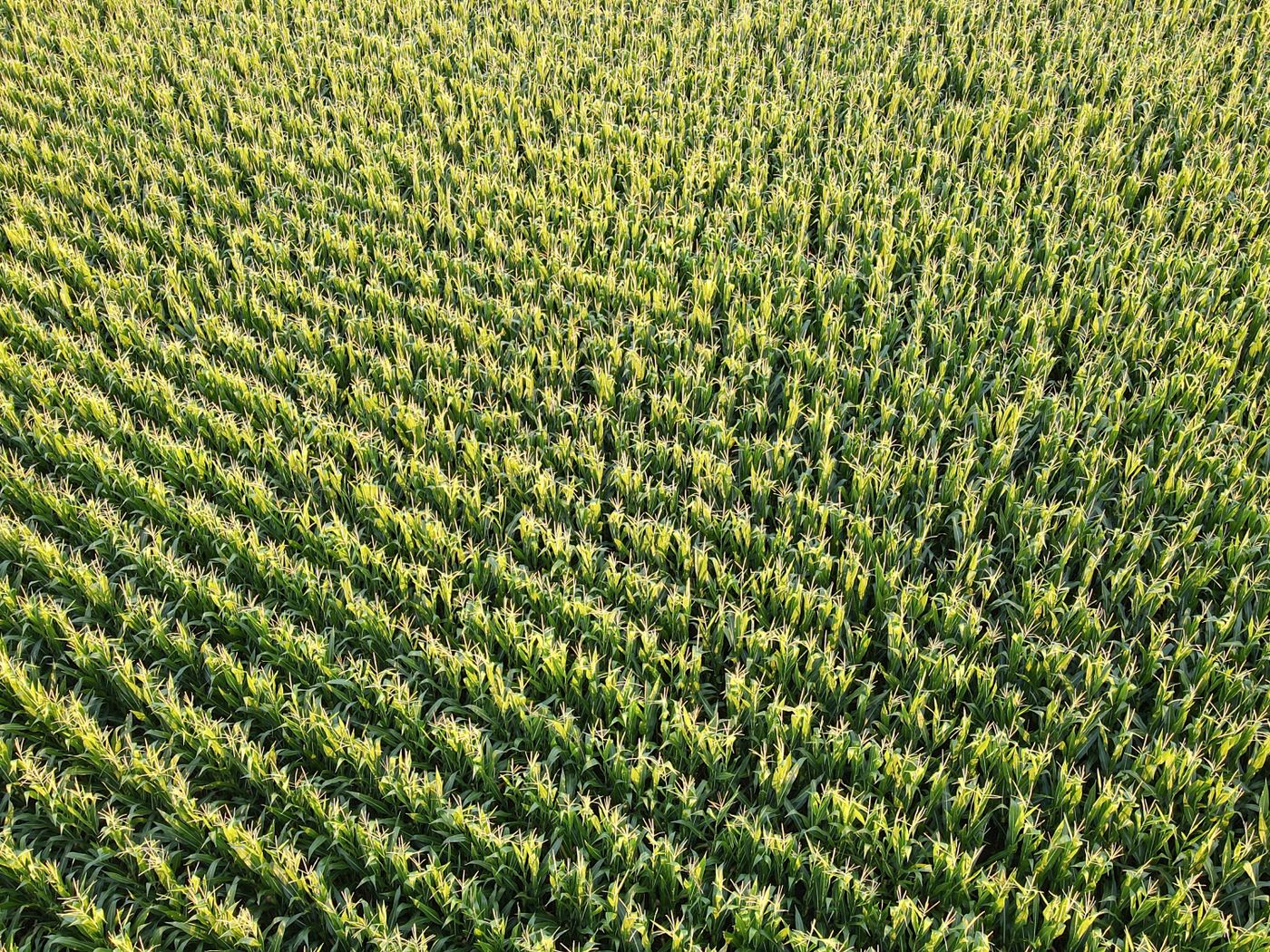
Maps, counts and risk zones
One platform, reused across every stage of the chain
Capabilities: Drone mapping, Crop intelligence, Precision spraying, Mechanization dispatch, Field robotics, Solar sensor nodes, Solar drying & storage, Vision grading, Traceability, Autonomy core, Fleet operations, Data engine.
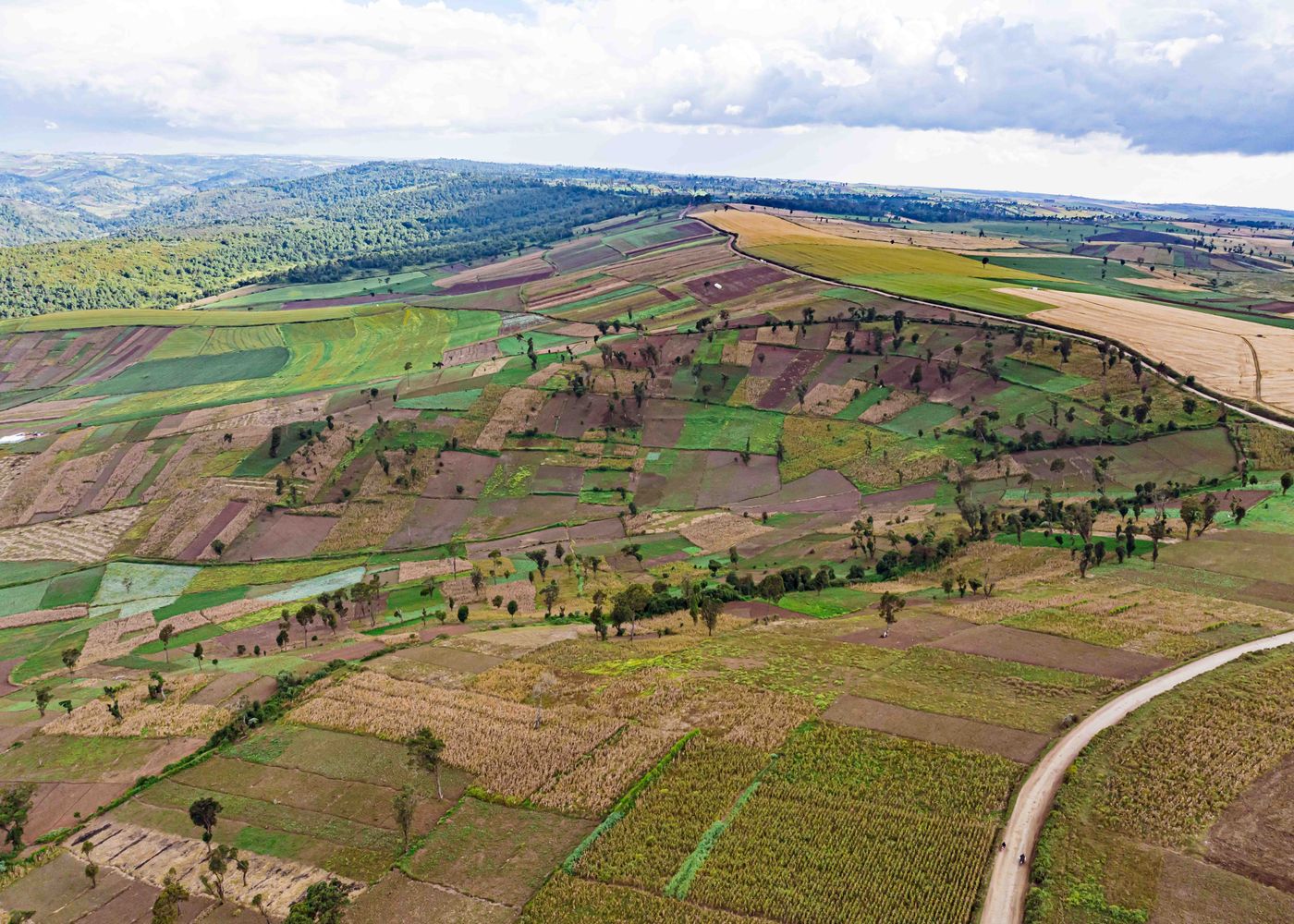
35%
Target gross margin on core services
Why Ifenri exists
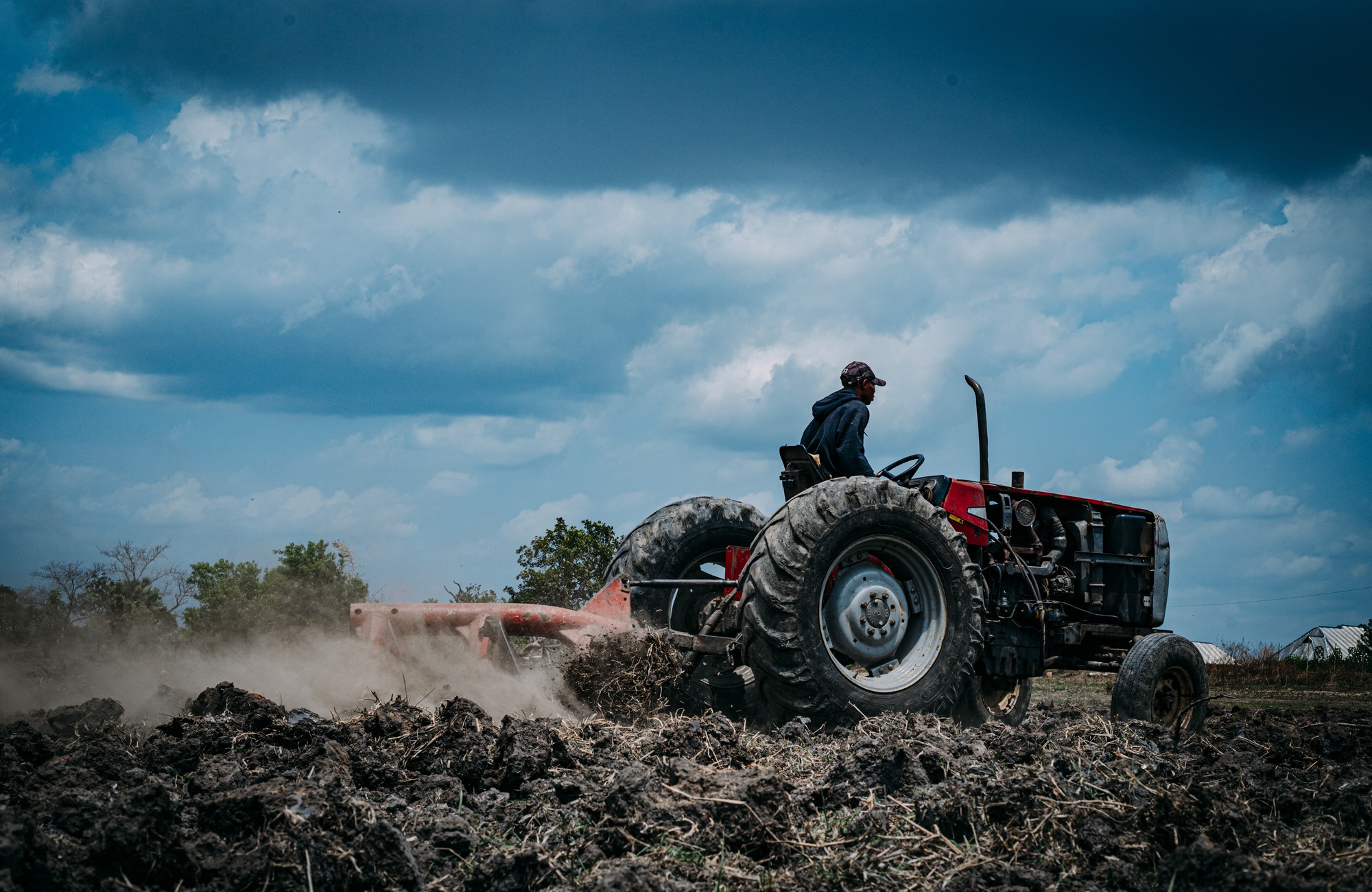
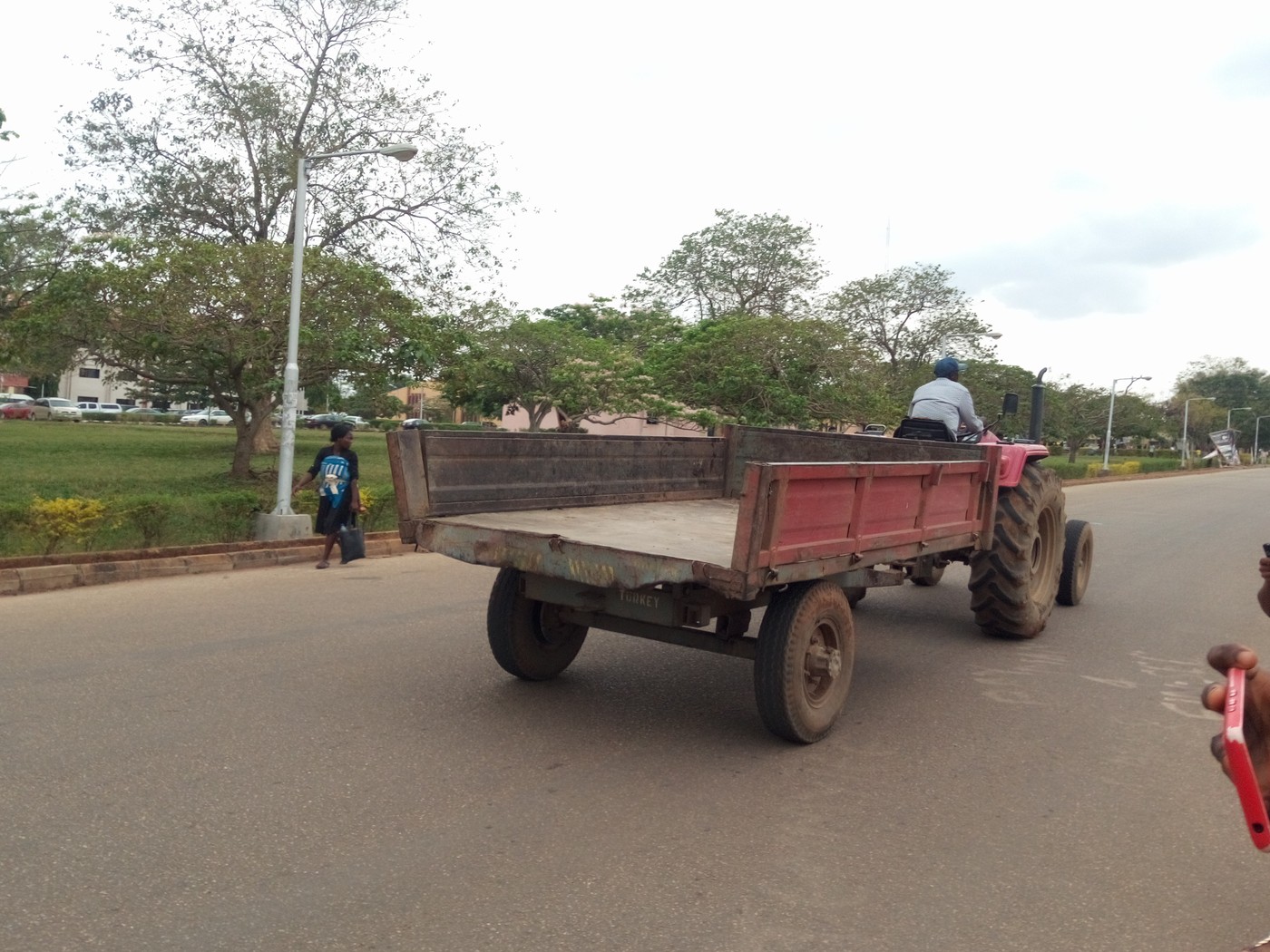
There is a wide gap between what Nigerian farms could produce and what actually reaches the table. Mechanization is low, machines are scarce and poorly maintained, and losses after harvest are high. Ifenri exists to close that gap — and to make closing it profitable for everyone in the chain, the farmer included.
Food security
Profit
The dual test. Every product must increase food availability or cut loss, and earn its target margin. If it fails either half, we redesign it. Neither is ever traded for the other.
What we sell
Each one reuses the same autonomy core, fleet software and data engine — so the tenth costs far less to build than the first. Every service is priced per hectare, per kilogram or per season, never per promise.
How we work
The whole business is built on one loop, run honestly and in the open. Nothing gets added to the chain until the step before it pays for itself.
One state, one crop, one tight cluster of farms you can actually reach. Scored on trust, security, demand, density, robot test fit and off-take — then written down.
Ten organizations that will pay something, even at a discount. Success measures agreed in writing before the first flight. The field teaches us what to build next.
Positive gross margin per hectare after direct costs, at least half intending to reorder. Only then do we add the next service, the next machine, or the next stage of the chain.
The chain
We do not attempt the whole chain at once. Farming first, then post-harvest, then processing, then market and data products. Each stage needs its own customers, rules and skills.
Explore the chainFarming
Paid pilots with positive margin per hectare
Post-harvest & storage
Anchor cooperative or aggregator; Stage 1 repeatable
Processing & market
Anchor processor or off-taker; food-safety path clear
Data dividend
Consent framework, named partners, repeatable model
The pilot record
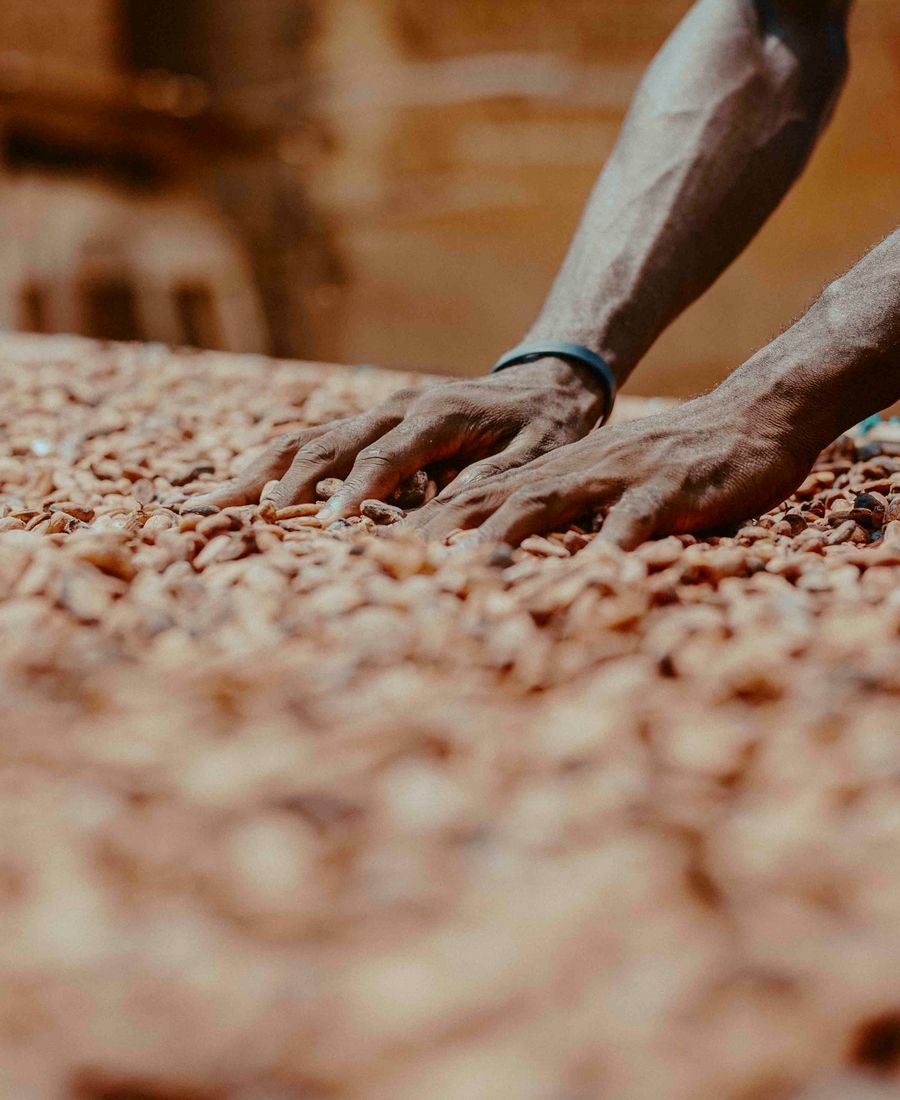
Ifenri is at day one, so this is a record of intent with honest status labels — not a portfolio of finished contracts. Each entry states what would have to be true for it to count as done.
Why Ifenri
Input suppliers, processors and other agritech firms already serve parts of this chain. We win where local presence, service and honesty about limits matter — and we publish what we will not do.
Local service, not imported boxes
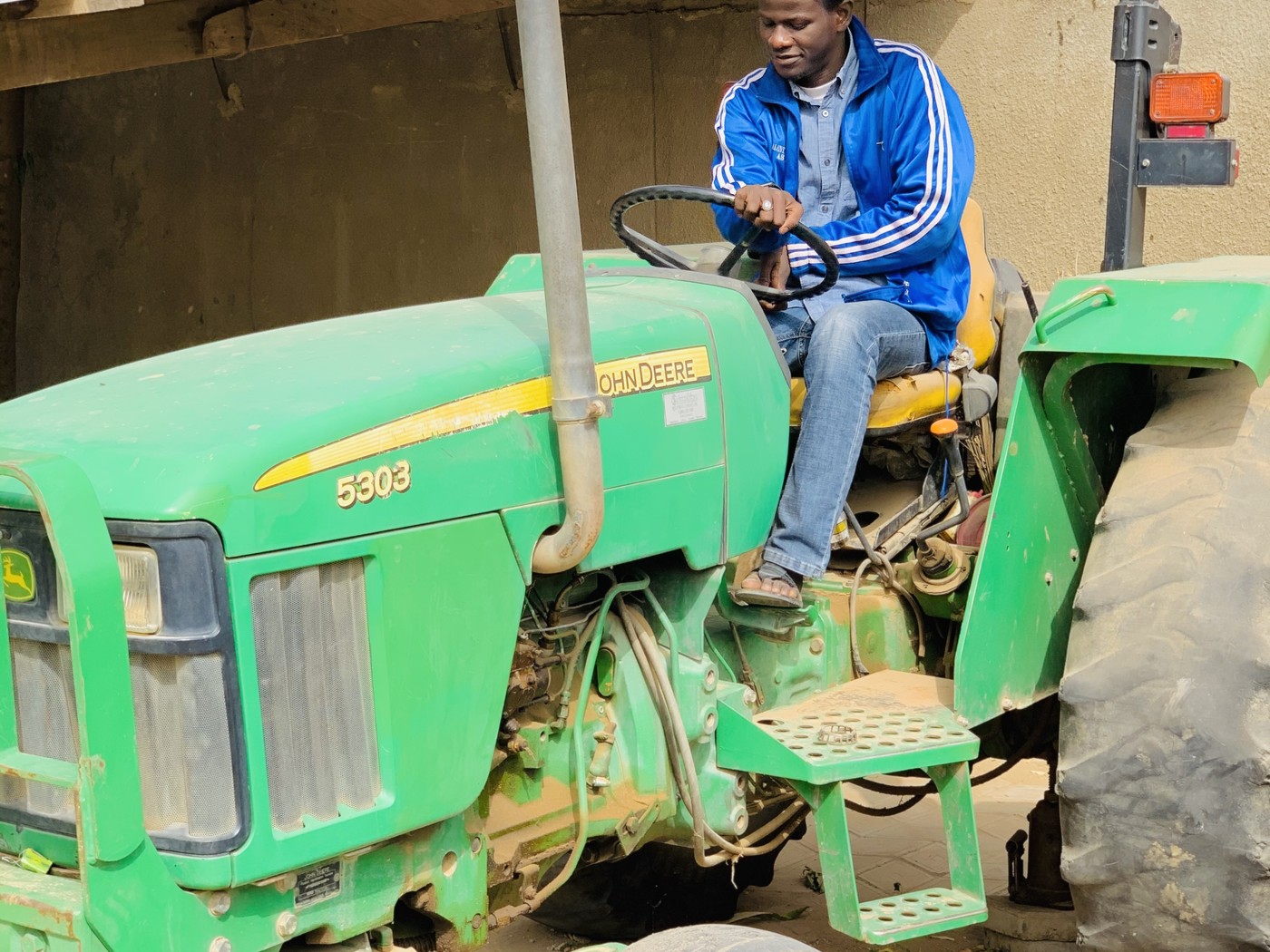
Maintenance, training and spare parts in the cluster. A machine nobody can repair is a liability, not an asset.
An agronomist behind every recommendation
AI drafts. A trained agronomist approves. No agent or robot makes a safety-critical call on its own.
Hardware built for dust, heat and theft
Designed for Nigerian field conditions and repairable by a local technician with swappable, modular parts.
Data the farmer owns
Farmers own their farm data. We use it for agreed purposes, share the benefit, and never sell personal data.
What we commit to
We are pre-revenue, so we have no customer testimonials to show you. What we do have is a plan with its limits stated in advance. These are five commitments taken directly from it.
“Ifenri is an agriculture company, and only an agriculture company. Its goal is to make food more secure and farming more profitable at the same time, across the whole chain from seed to table.”
Founder blueprint, v3.0
Executive summary
Who does the work
We are publishing the roles, not a stage set. There are no invented biographies on this site. Even the founder does not try to fly, sell, code, repair and design robots alone.
Founder / CEO
Strategy, product, software and AI, robotics, fundraising, field presence
Role detailDrone pilot
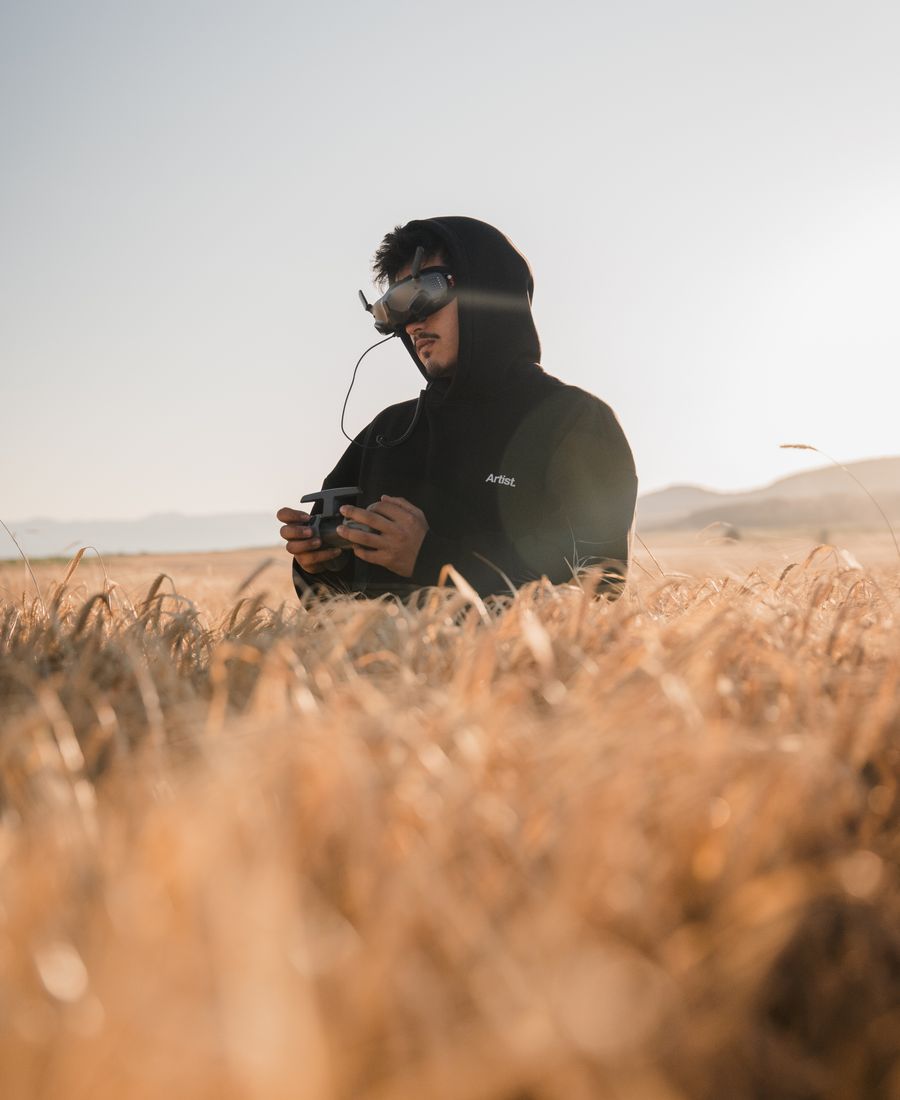
Flights, mapping, spraying, equipment care and airworthiness
Role detailRobotics / embedded engineer
Rover electronics and software, design review, mentoring
Role detailField technician
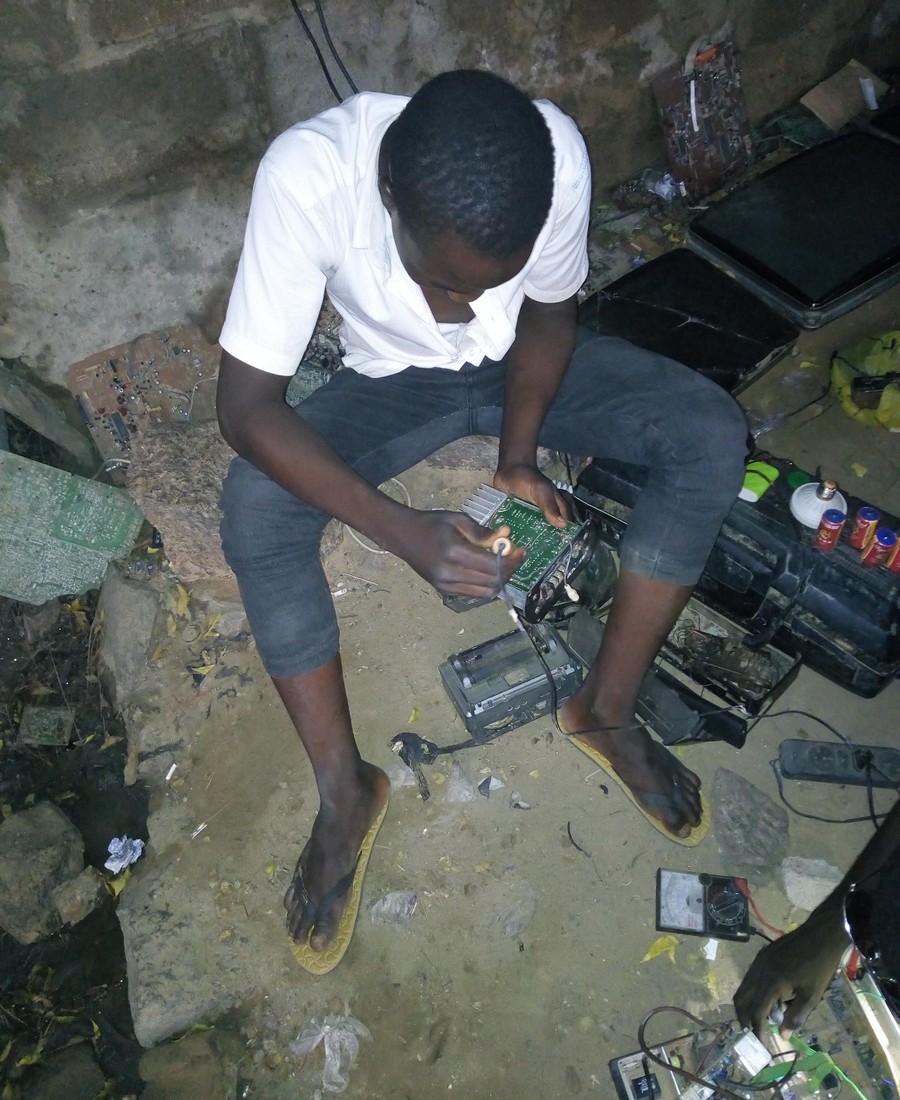
Maintenance, batteries, repairs, spare-parts inventory
Role detailPricing
We do not publish a rate card, because the honest price depends on your crop, your cluster and your current spend. What we do publish is the method, the target margin, and the numbers we will compute with you.
Charged per hectare / flight
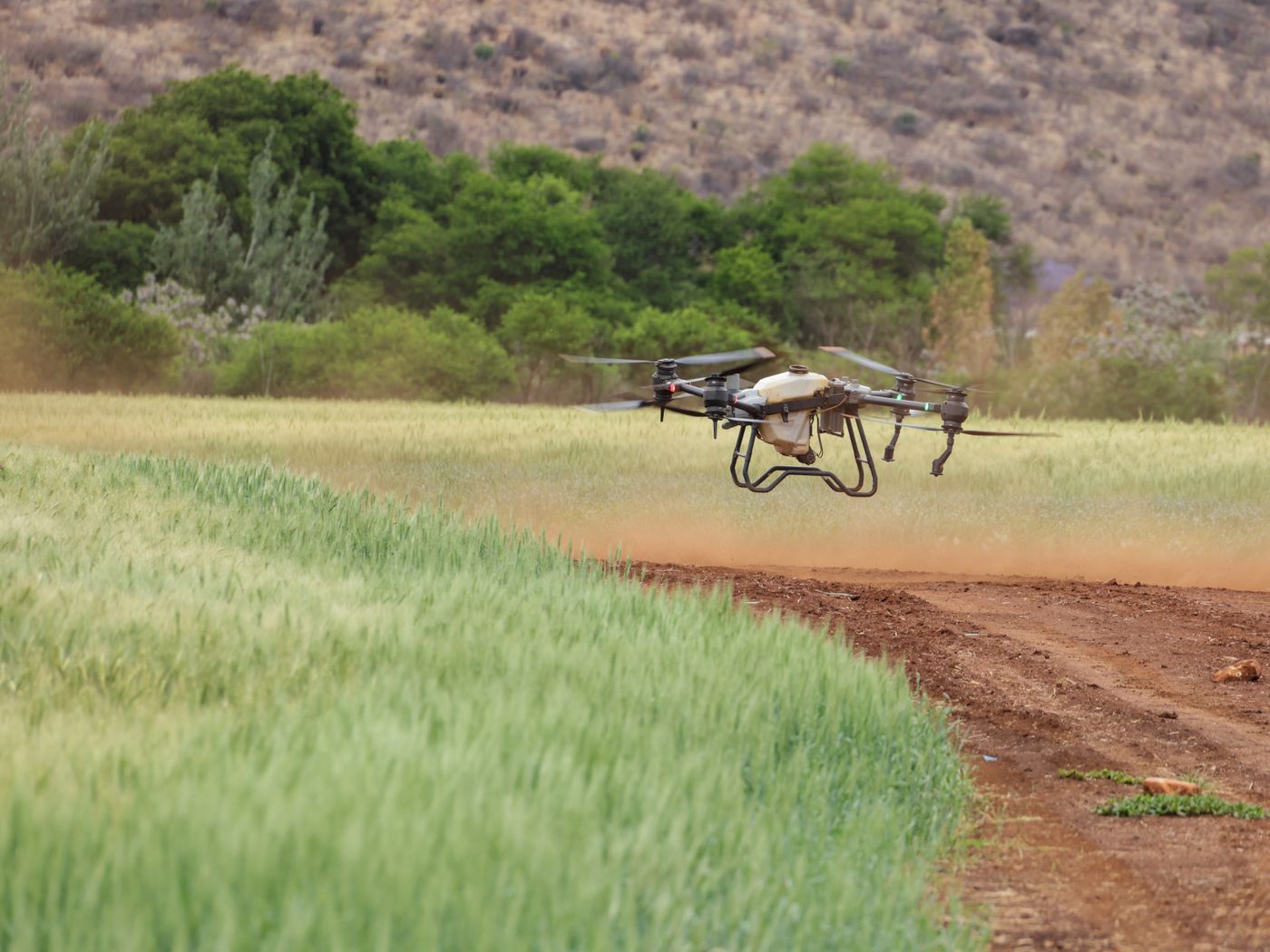
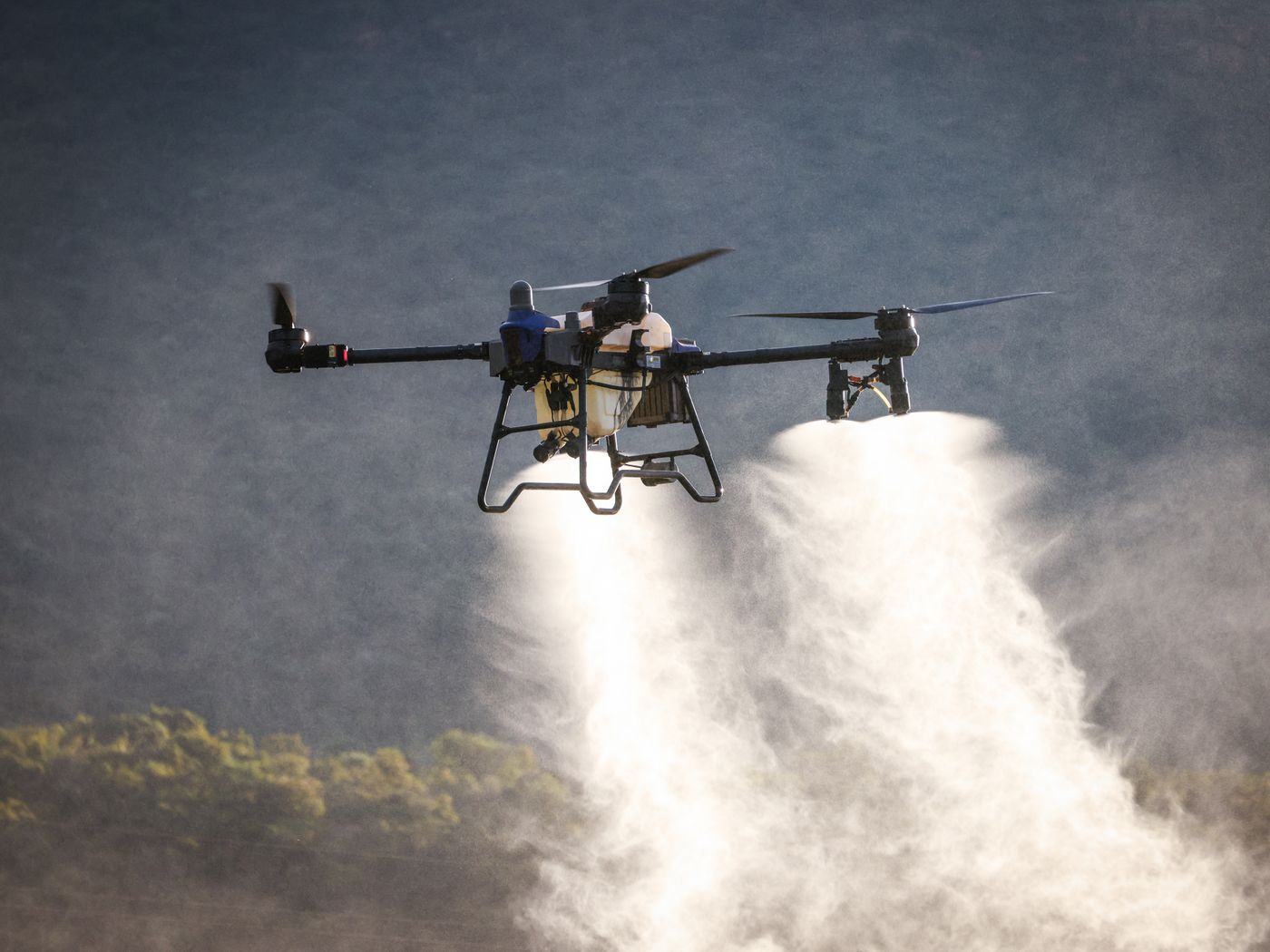
Mapping, crop health, pest and disease risk zones, stand counts and a plain-language report an agronomist has reviewed.
What’s included
Charged margin per job
Tractors, planters, harvesters, irrigation, dryers and transport — dispatched, tracked, quality-checked and settled.
What’s included
Unit economics are re-checked monthly, and every service is tracked against both scoreboards at once: food security and profit. Ranges quoted anywhere on this site are planning ranges, not quotations — we get three current quotes for every line before committing money.
Notes from the work
Plain notes on Nigerian farm robotics, post-harvest loss and the data behind the decisions. Written from the plan and the field, not from a marketing calendar.
 Operations
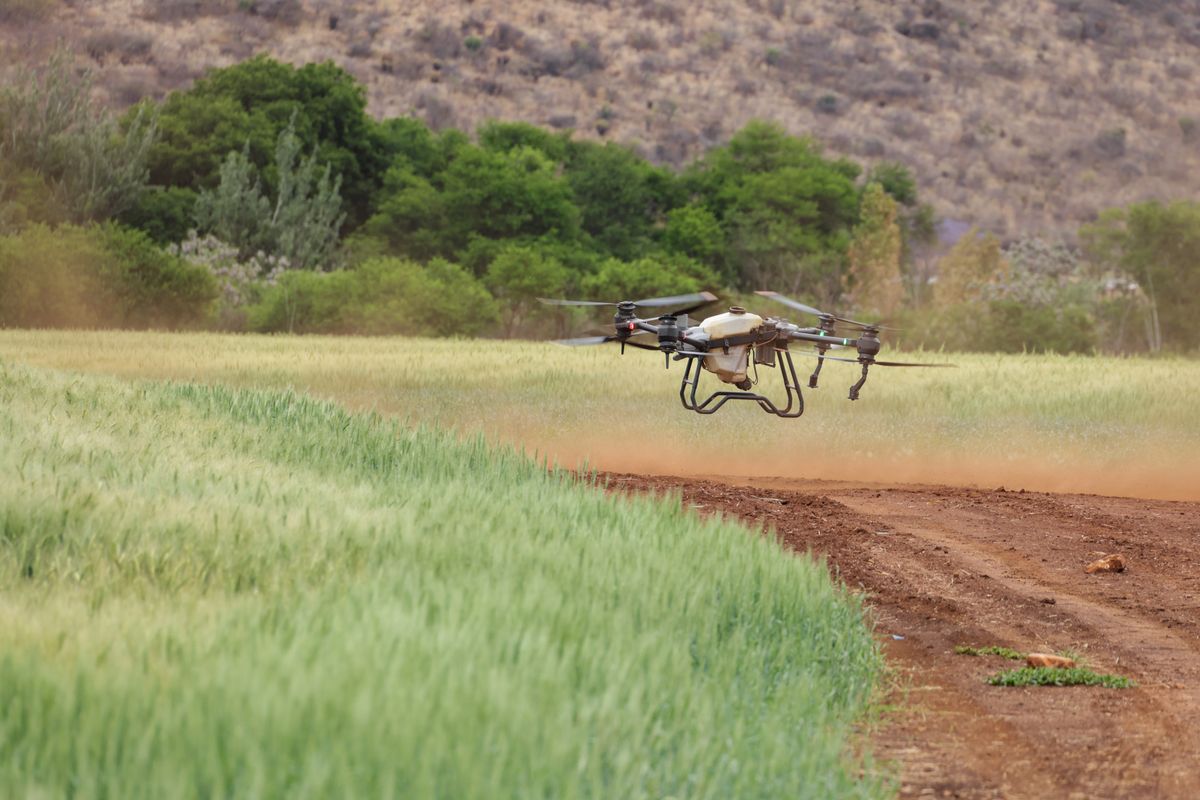
The most valuable thing a drone can do in year one is not apply anything. It is to tell you the truth about your field, in writing, before you spend a naira on inputs.
Read more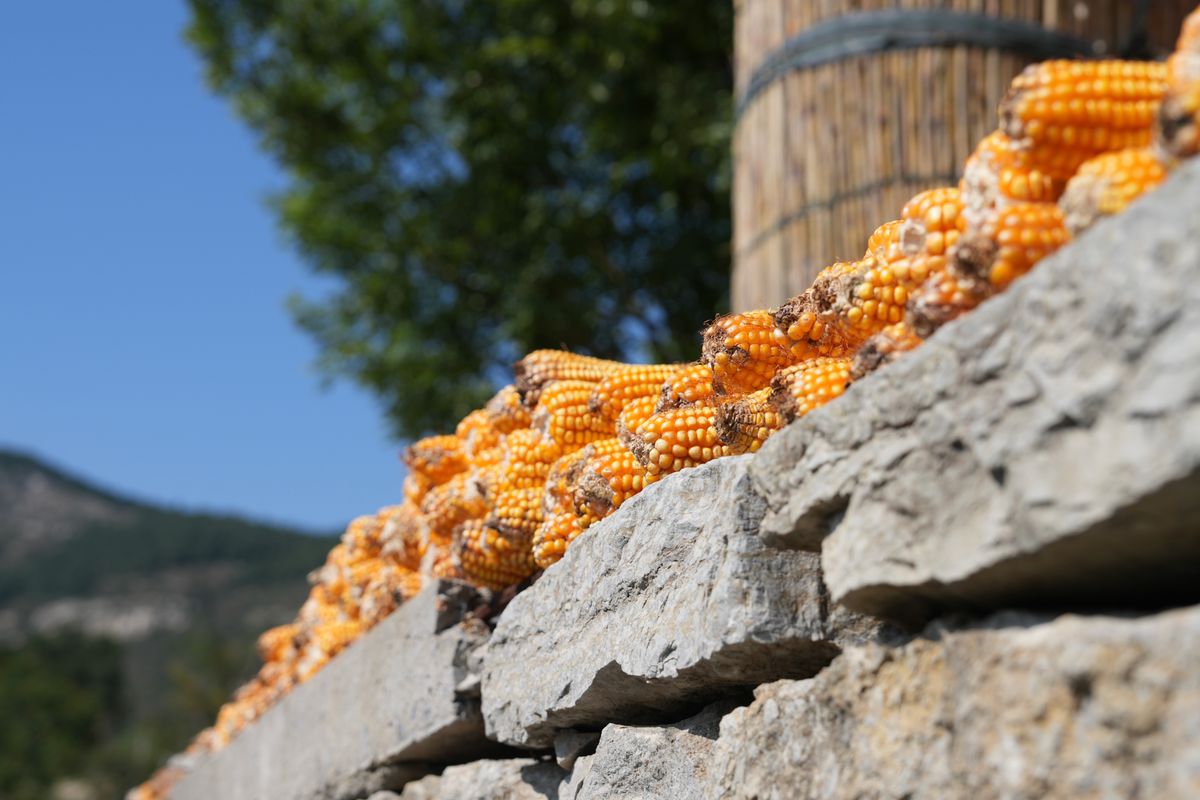 Post-harvest
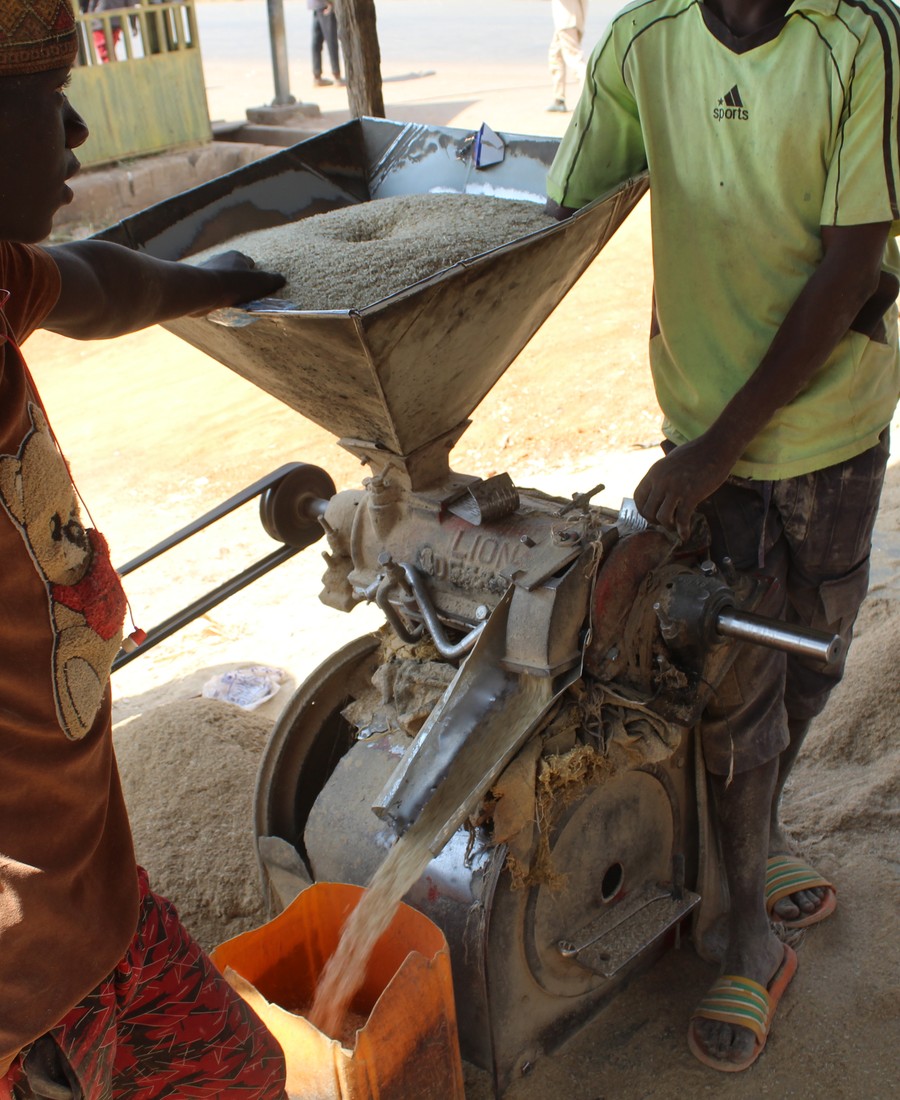
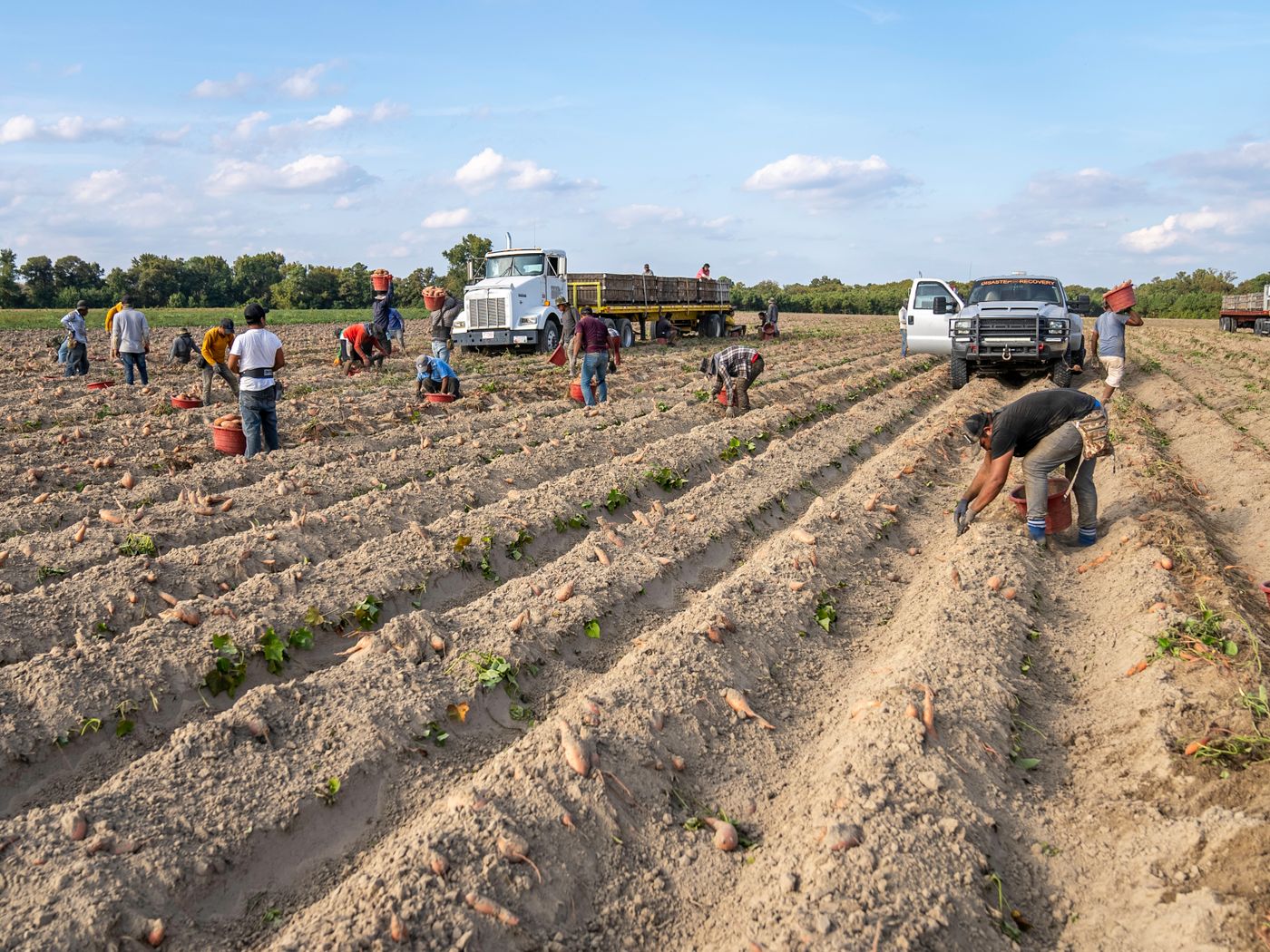
Everyone optimises yield. In Nigeria a large share of the value is lost between the field and the buyer — and that loss is the cheapest thing to fix.
Read more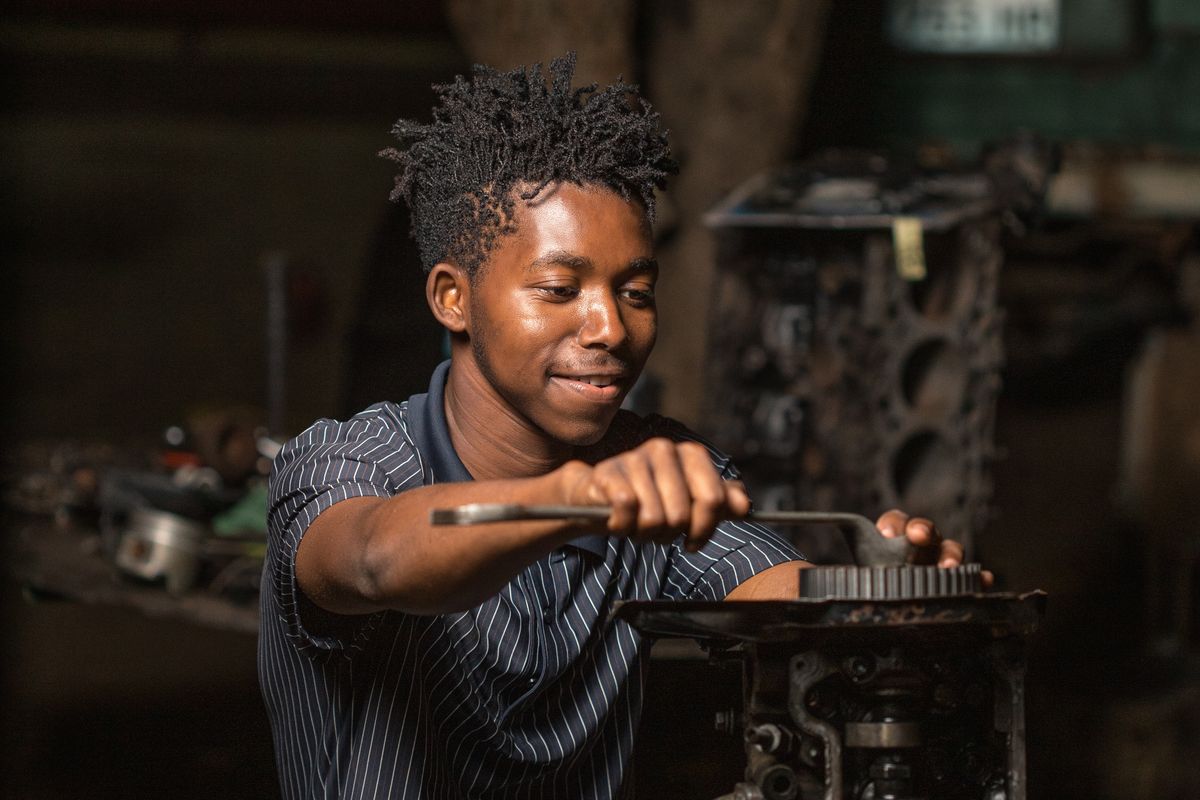 Robotics
Dust, heat, vibration, mud and theft. A field robot that ignores any one of them is a workshop ornament with an impressive specification.
Read moreStart the conversation
Tell us your crop, your hectares and where you lose money today. We will tell you honestly whether Ifenri can improve that hectare yet — and if we cannot, we will say so.
Book mapping, scouting or machinery for your cluster. Pilots are paid and measured from the first hectare.
Book a field serviceTalk to us about reliable, traceable supply and where the loss actually happens in your crop.
Discuss supplyRead the working plan, the gates, and the unit economics before you commit a naira.
Investor brief